Skip to content

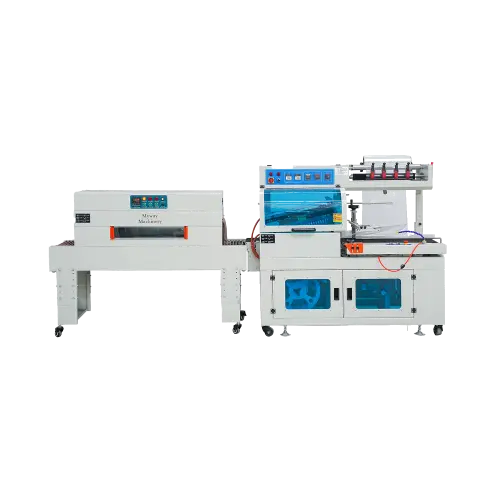
An automatic pallet wrapping machine is a type of equipment designed to streamline the pallet-wrapping process by automating tasks like film application, wrapping, and cutting. This equipment can range from semi-automatic models requiring manual input to fully automated machines that integrate seamlessly into production lines, reducing manual effort and increasing efficiency1.
An automatic pallet wrapping machine is a device that applies stretch film to secure goods on a pallet. Featuring varying automation levels, it minimizes manual handling while enhancing speed, consistency, and load stability2 — ideal for manufacturing, warehousing, and logistics operations.
Choosing the right pallet wrapper isn’t always straightforward. Let me guide you through the functional diversity, key features, and customization options to help you understand their capabilities and match them to your specific operational needs.
How does an automatic pallet wrapping machine work?
Struggling to manage manual wrapping processes introduces inefficiencies and inconsistent results. Automatic pallet wrapping machines simplify this challenge by automating film application and performance, offering reliable and secure packaging.
These machines work by automatically applying and wrapping stretch film around palletized goods. Depending on the model, advanced features like film pre-stretching, film cutting, and programmable controls3 further ease and speed up pallet wrapping operations.
Basic models require operators to position the pallet and attach the film manually, while advanced fully automated machines handle every step — from film threading to final wrapping. Some units feature conveyor integrations, enabling seamless operation within automated production lines4. To match varying needs, you can often customize machine configurations, such as rotating turntables, robotic arms, or film handling systems, to fit the required throughput.
What are the types of automatic pallet wrapping machines?
When considering pallet wrapping solutions, it’s vital to understand the functional diversity across available machines. Different businesses have varying throughput, layout, and automation needs.
Automatic pallet wrapping machines range across semi-automatic models, fully automatic systems, robots, and inline solutions. Each type serves different operational scales, budgets, and layout constraints, making it crucial to evaluate the best fit for your needs.
Breaking down the options:
-
Semi-Automatic Models:
- Operators manually start the wrap cycle and cut/paste the film.
- Often ideal for smaller-scale operations with moderate pallet throughput.
-
Fully Automatic Machines:
- Handle all film tasks, including application and cutting.
- Reduce manual workload significantly but often require a higher upfront investment.
-
Rotating Arm Wrappers:
- Particularly effective for unstable loads, as the pallet stays stationary while the arm moves.
-
Robotic Pallet Wrappers:
- These mobile systems adapt to floor layouts and wrap pallets across multiple stations.
-
Inline Wrapping Machines:
- Suitable for high-throughput environments, integrated within conveyor systems for seamless operation.
| Feature | Semi-Automatic | Fully Automatic | Rotating Arm | Inline |
|---|---|---|---|---|
| Manual Film Handling | Yes | No | No | No |
| Throughput Speed | Moderate | High | High | Very High |
| Customization Options | Limited | Extensive | Extensive | Extensive |
| Space Requirement | Compact | Moderate | High | High |
What are the key customization options?
Every operation has unique pallet dimensions, product fragilities, and space constraints, making customization essential for an optimal solution.
Customization options include adjustable wrapping speeds, film pre-stretching levels, conveyor system compatibility, and space-saving features like ramps or foldable components. These enable tailored solutions for industry-specific needs.
A customer of ours, for example, required an incline ramp for manual pallet loading combined with automated film cutting to reduce repetitive strain injuries among operators. Another sought to eliminate manual throughput altogether by integrating a fully automated inline model capable of processing 50 pallets per hour.
Common customization requests include:
- Film Delivery Control: Selectable tension settings to suit fragile or irregular loads.
- Conveyor Configurations: M-shaped transfer conveyors for seamless pallet integration.
- Safety Enhancements: Guardrails, emergency stops, or light curtains.
- Compact Designs: Features like foldable towers or low-height turntables to fit tight spaces.
How do these machines improve operational efficiency?
Packaging operations often face bottlenecks with labor-intensive manual wrapping, inconsistent results, and overall time delays. Automatic machines tackle these challenges effectively.
Automatic pallet wrappers significantly boost efficiency by automating repetitive tasks, ensuring uniform load stability, and minimizing labor input. They also improve safety by reducing manual film handling.
For instance, a logistics center looking to wrap 80 pallets per shift adopted a fully automatic conveyor-integrated solution. Not only did it meet their high throughput demand, but it also reduced their labor input by over 40%, with a consistent improvement in load stability.
Advantages of adopting such machines include:
- Faster Packaging: Fully automated systems drastically reduce wrapping times compared to manual methods.
- Consistent Results: Programmable film tension ensures each pallet receives uniform wrapping.
- Reduced Film Usage: Pre-stretch technology optimizes film consumption.
- Enhanced Workplace Safety: Operators interact with machines minimally, lowering ergonomic risks5.
- Lower Operational Costs: Long-term savings arise from improved productivity and material utilization.
Frequently Asked Questions
What’s the difference between semi-automatic and fully automatic pallet wrappers?
Semi-automatic pallet wrappers require operators to attach the film to the load manually and press a button to start the cycle, while fully automatic models handle every step without human intervention, from film attachment to cutting.
Can pallet wrapping machines handle fragile or irregular loads?
Yes, many models offer adjustable film tension settings or specialized wrapping patterns ensuring fragile or irregular loads are securely wrapped without damage.
What industries benefit most from automatic pallet wrapping machines?
Common industries benefiting from these machines include manufacturing, e-commerce, warehousing, and logistics, especially those with high throughput or consistency requirements for stabilized shipments.
Do I need conveyor integration?
Conveyor integrations work best for businesses with continuous high throughput. If you process a smaller number of pallets daily, standalone models without conveyors may be more cost-effective.
How customizable are automatic pallet wrapping machines?
Customization varies by manufacturer, but most machines can accommodate different wrapping speeds, load dimensions, and space requirements. Many machines integrate additional features like ramps, conveyors, or safety-enhanced workflows.
Conclusion
An automatic pallet wrapping machine is a versatile solution that streamlines load handling operations while improving efficiency and consistency. With options ranging from semi-automatic models to conveyor-integrated systems, these machines are designed to meet diverse operational and budgetary needs. When choosing one, consider factors like automation level, throughput, and customization potential to ensure it aligns with your unique production demands.
Ready to explore the best solutions for your pallet wrapping needs? Contact us for tailored advice and recommendations!
"Best-practices -- Pallet-wrapping machine", https://www.dli.mn.gov/business/workplace-safety-and-health/best-practices-pallet-wrapping-machine. Studies comparing manual and automated pallet wrapping processes indicate significant reductions in labor input and time consumption with automated systems, though specific efficiency gains may vary by industry and machine type. Evidence role: general_support; source type: research. Supports: Automatic pallet wrapping machines improve efficiency and reduce manual effort.. Scope note: Efficiency improvements depend on the specific operational context and machine configuration. ↩
"Best-practices -- Pallet-wrapping machine", https://www.dli.mn.gov/business/workplace-safety-and-health/best-practices-pallet-wrapping-machine. Research on automated packaging systems highlights improved load stability and consistent wrapping patterns compared to manual methods, with faster operation times reported in high-throughput environments. Evidence role: general_support; source type: research. Supports: Automatic pallet wrapping machines improve speed, consistency, and load stability.. Scope note: Performance metrics may vary based on machine type and operational setup. ↩
"Best-practices -- Pallet-wrapping machine", https://www.dli.mn.gov/business/workplace-safety-and-health/best-practices-pallet-wrapping-machine. Technical analyses of pallet wrapping machines show that film pre-stretching reduces material usage, while programmable controls and automated cutting streamline operations, particularly in high-volume settings. Evidence role: mechanism; source type: research. Supports: Film pre-stretching, cutting, and programmable controls enhance pallet wrapping efficiency.. Scope note: Efficiency gains depend on the specific machine model and operational requirements. ↩
"Best-practices -- Pallet-wrapping machine", https://www.dli.mn.gov/business/workplace-safety-and-health/best-practices-pallet-wrapping-machine. Case studies from manufacturing facilities show successful integration of automated pallet wrapping machines into conveyor-based production lines, improving workflow efficiency. Evidence role: case_reference; source type: education. Supports: Fully automated pallet wrapping machines integrate seamlessly into production lines.. Scope note: Integration success may depend on the specific production line design and machine compatibility. ↩
"Best-practices -- Pallet-wrapping machine", https://www.dli.mn.gov/business/workplace-safety-and-health/best-practices-pallet-wrapping-machine. Research on automated packaging systems shows reduced ergonomic risks due to minimized manual handling, particularly in high-volume operations. Evidence role: general_support; source type: research. Supports: Automatic pallet wrapping machines improve workplace safety.. Scope note: Safety improvements depend on proper machine usage and operator training. ↩