Skip to content

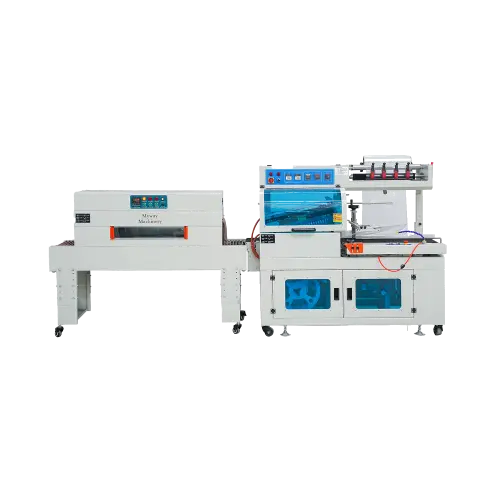
Many buyers confuse shrink wrapping with stretch wrapping, leading to procurement delays and mismatched inquiries. A shrink wrapping machine’s operating principle revolves around using heat to shrink a film tightly around products1, ensuring secure packaging. Understanding this principle allows buyers to choose machines suited for their packaging needs, based on film material, heating method, and automation level.
A shrink wrapping machine operates by applying heat to shrinkable polymer film after it has been sealed around a product. The heat causes the film to contract tightly around the product’s surface, creating a protective and professional-looking package.

This principle often sparks questions about film types, heating methods, and machine configurations. Below, I’ll explain these factors in depth, helping you match your operations to the right equipment setup.
What separates shrink wrapping from stretch wrapping?
Many first-time equipment buyers mistakenly assume shrink wrapping is interchangeable with stretch wrapping, but they are fundamentally different processes.
Shrink wrapping uses heat to make polymer film contract tightly around a product, whereas stretch wrapping applies elastic film under tension to secure items without heat.
Understanding this distinction is vital:
- Stretch wrapping is typically used for palletized goods and large items requiring quick bundling.
- Shrink wrapping excels at packaging individual or grouped products, creating tamper-proof and visually appealing wraps.
For e-commerce warehouses packaging diverse SKUs, mistaking these methods can derail efficiency. Ensuring you know which process is required will save inquiry time and guide your selection toward the right shrink wrapping machine.
How does shrink wrapping film behave during heating?
Shrink wrapping film behaves uniquely depending on its polymer composition2, which determines its shrink rate, clarity, and durability.
When exposed to heat, shrink film contracts and shapes itself around a product’s contours. The type of shrink film—such as polyolefin (POF), polyethylene (PE), or PVC—defines how it performs under specific temperatures and production conditions.
Key shrink film characteristics:
- Polyolefin (POF): High clarity, good durability, and versatility across industries.
- Polyethylene (PE): Stronger and thicker, ideal for bundling heavy items or irregular shapes.
- PVC: Lower-cost option for display packaging but less environmentally friendly.
It’s important to match film material to your products:
- Thin, lightweight products like DVDs or cosmetics benefit from POF due to its clarity and uniform shrinkage.
- Bulkier items such as multi-pack drinks may require PE for robustness.
- Budget-sensitive operations sometimes opt for PVC, especially for short-term packaging.
What are the heating methods in shrink wrapping machines?
The heating mechanism is the core of a shrink wrapping machine. It activates the shrink film’s properties and defines the machine’s compatibility with specific applications.
Shrink wrapping machines utilize heating methods like hot air tunnels, infrared heaters, or steam systems to contract the film evenly. Each method suits different production speeds and product types.
Three common heating systems:
- Hot Air Tunnel: Popular in automated lines; adjustable temperature offers precision for various films and product sizes.
- Infrared Heating: Provides localized heat for specific applications; great for medium-speed operations.
- Steam Shrink Tunnel: Specialized for food and beverage packaging; ensures even film shrinkage under moist heating conditions.
Choosing your heating method:
- High-speed lines packing consistent SKUs benefit from hot air tunnels, which allow steady throughput.
- Medium-speed operations requiring flexibility for different product shapes and film types may prefer infrared heating.
- Food and beverage companies processing delicate packaging materials often select steam shrink tunnels, ensuring uniform shrinkage without overheating products.
What happens from sealing to shrinking?
Shrink wrapping operates in two essential steps: sealing the film around the product and then shrinking it with heat.
Machines begin by sealing the shrink film to create an enclosed pack around the product3. Heat is then applied to the film, causing it to contract tightly around the product for a secure, professional finish.
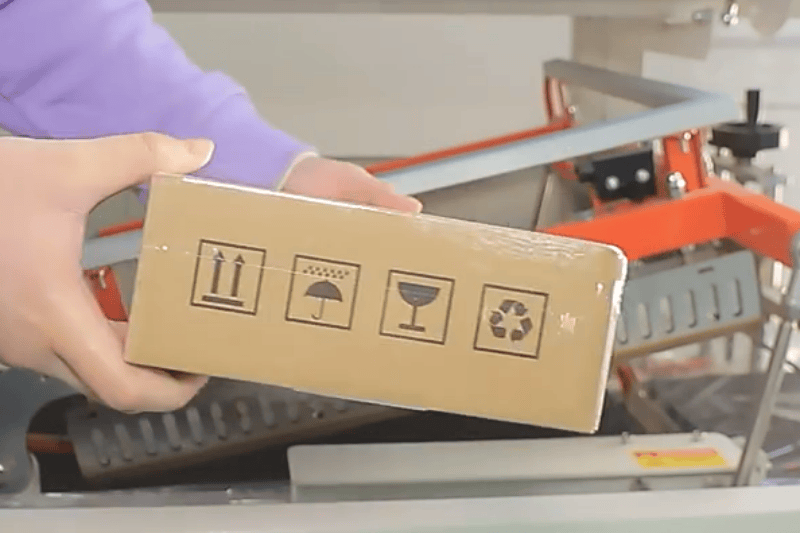
There are two main categories of shrink sealing systems:
- L-bar sealers: Used for standard rectangular items, ensuring precise seal edges.
- Side-sealers: Suited for larger or irregularly shaped items, offering continuous film sealing along one side.
Once sealed, the film progresses to the heat application stage. Here, the machine’s heating chamber activates the shrink film’s properties, fully securing the packaging.
For example:
- E-commerce facilities shipping cosmetics or electronics prefer L-bar sealers combined with polyolefin film for clear individual wraps.
- Beverage manufacturers opt for side-sealers paired with polyethylene film to bundle bulky or irregular items like soda packs.
Matching sealing methods to your application ensures optimal packaging consistency and reduces waste.
How do automation and throughput affect equipment choice?
The operating principle remains consistent across manual, semi-automatic, and fully automatic shrink wrapping machines, but automation levels determine machine speed, throughput, and labor requirements.
Manual machines require operator input for each product; semi-automatic systems use assisted workflows; fully automatic machines offer high-speed continuous operation requiring minimal intervention.
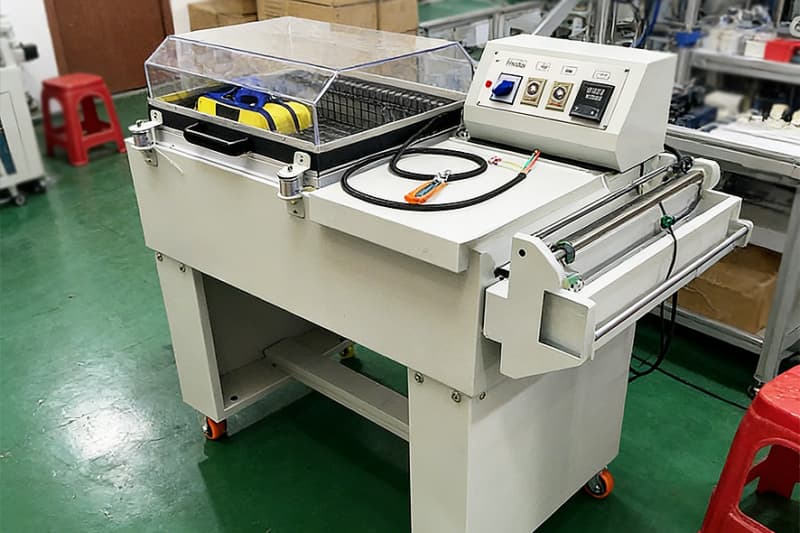
Selecting an automation level:
- Manual machines suit low-volume operations with diverse product sizes.
- Semi-automatic systems are ideal for medium-speed packaging with moderate operator involvement.
- Fully automated machines excel in high-volume manufacturing lines demanding minimal downtime.
For instance:
- An e-commerce warehouse processing varied SKUs will benefit from the flexibility of semi-automatic machines.
- High-volume manufacturers of standardized products, like bottled beverages, prefer fully automatic systems to maintain throughput and efficiency.
Automation level impacts consumable costs and compatibility. Beyond speed, consider product size diversity and labor availability when refining your choice.
Frequently Asked Questions
How do I know which shrink film is right for my product?
Evaluate your product’s size, fragility, and visibility needs. Thin, clear polyolefin film suits retail packaging, while heavier polyethylene handles bulky or irregular items. PVC is a budget option but less eco-friendly.
Can shrink wrapping machines handle multiple product sizes?
Yes, especially semi-automatic or fully automatic machines with adjustable settings. L-bar or side-sealers also accommodate packages of varying shapes and sizes within specific limits.
Are automation upgrades worth the investment for shrinking?
Automation ensures higher throughput, precise wraps, and lower labor dependency. Fully automatic machines benefit high-volume operations, while semi-automatic setups balance flexibility and cost for moderate workloads.
Conclusion
Understanding the shrink wrapping machine operating principle is key to making informed procurement decisions. With heat shrinking as the central mechanism, buyers must evaluate film material, heating method, sealing workflow, and automation level to match their product characteristics, throughput needs, and production line compatibility. Whether automating manufacturing or handling diverse SKUs in warehouses, selecting the right configuration streamlines operations and reduces costs.
Need tailored recommendations for your shrink wrapping needs? Contact us to discuss machine configurations and find the perfect match for your application requirements!
"Shrink wrap", https://en.wikipedia.org/wiki/Shrink_wrap. Educational resources on packaging technology confirm that shrink wrapping machines use heat to contract polymer films tightly around products, ensuring secure packaging. This principle is widely adopted in the industry. Evidence role: mechanism; source type: education. Supports: The operating principle of shrink wrapping machines using heat to shrink film around products.. ↩
"Shrink wrap", https://en.wikipedia.org/wiki/Shrink_wrap. Research on polymer science indicates that the composition of shrink wrapping films directly affects their shrink rate, clarity, and durability under heat application. These properties are critical for packaging performance. Evidence role: mechanism; source type: research. Supports: The influence of polymer composition on shrink wrapping film properties.. Scope note: Specific polymer types may behave differently under varying conditions. ↩
"Shrink wrap", https://en.wikipedia.org/wiki/Shrink_wrap. Educational resources on packaging machinery confirm that shrink wrapping involves sealing the film around the product followed by heat application to contract the film tightly, ensuring secure packaging. Evidence role: mechanism; source type: education. Supports: The sealing and shrinking process in shrink wrapping machines.. ↩