Skip to content

Selecting the right packaging machine for your business can feel overwhelming. Chinese packing machine manufacturers offer a broad range of options at competitive prices, but the challenge lies in finding a machine that aligns perfectly with your production needs. The wrong choice can lead to compatibility issues, reduced efficiency, or unnecessary costs—problems no business can afford.
In this guide, I’ll share my insights, drawn from years of tackling customer challenges in equipment selection, to help you navigate this decision. By understanding technical parameters and production line compatibility, you’ll be better equipped to make an informed purchase without falling for flashy marketing claims.
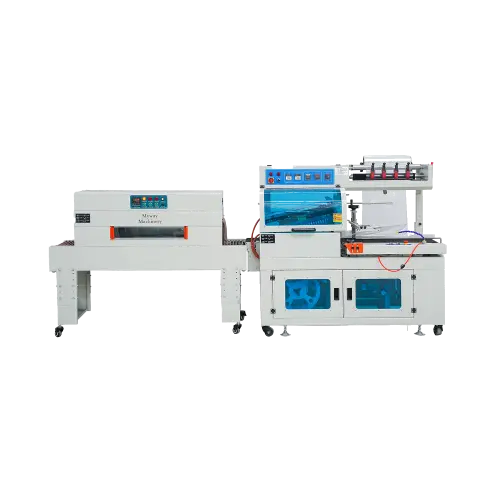
Chinese packing machine manufacturers produce a wide variety of equipment types, ranging from stretch wrappers and strapping machines to entire automated packaging lines. Buyers should carefully assess machinery based on production compatibility, operational stability, and technical specifications to ensure alignment with their business needs.
Let’s dive into how you can evaluate Chinese packaging machinery with clarity and confidence.
Why is assessing compatibility with production workflows critical?
Investing in packaging machinery isn’t just about price or features—it’s about ensuring the machine fits seamlessly into your current production processes. Even the best equipment can underperform if it doesn’t integrate properly.
Production line compatibility determines whether the new equipment will work harmoniously with existing machines, workflows, and output targets1. Misalignments often lead to downtime and wasted resources.
Dive deeper: How do I evaluate production compatibility?
To avoid disruption, start by mapping the processes in your current production line. Here’s what I advise my clients to check:
- Physical compatibility: Assess the available floor space and layout where the new machine will be installed. Will the equipment fit into the designated area without obstructing other operations?
- Production throughput: Confirm that the machine’s operational speed aligns with your existing workflows. For example, if your production line processes 50 packages per minute but the new case erector operates at 30 per minute, the mismatch will create bottlenecks.
- Conveyor and automation systems: Check if the new equipment’s conveyor size, height, and speed synchronize with your current conveyor systems. Automation features like sensors or PLCs (programmable logic controllers) should also be compatible with your existing equipment.
- Packaging material specifics: Ensure that the machine can seamlessly handle your preferred packaging methods, dimensions, and materials without damaging your product or creating excessive waste.
I once worked with a beverage manufacturer importing a carton sealing machine from a Chinese supplier. The client overlooked the conveyor height differences between their machines. This caused constant errors in product positioning, which required expensive custom modifications post-purchase. By evaluating these factors in advance, you can avoid similar setbacks.
Key questions to ask manufacturers about compatibility:
- Can you provide a drawing or 3D model of the equipment layout?
- What are the machine’s setup and adjustment procedures to align with existing systems?
- Are customizations available to meet my production requirements?
By focusing on compatibility early, you’ll minimize the risk of operational inefficiencies.
What core technical variables should buyers compare?
Once compatibility is addressed, it’s crucial to evaluate the machine’s technical configurations. Many buyers prioritize cost or brand reputation and overlook key technical features that directly impact efficiency and reliability.
Key technical variables such as motor quality, automation controls, and material durability significantly influence a machine’s operating stability and long-term performance.
Dive deeper: Understanding critical technical features
Here are the primary variables to assess while comparing machines:
- Drive type: Identify whether the machine uses belt drive, chain drive, or servo motors, as these determine accuracy and energy consumption. For example, servo-driven machines offer higher precision and lower maintenance costs than traditional chain-driven options.
- Material of construction: Look for durable materials, like stainless steel, especially for equipment operating in humid environments or handling food and beverage products. This ensures longevity and compliance with sanitation regulations.
- Automation capabilities: Evaluate the flexibility and functionality of automation systems, like user-friendly touch screens, programmable settings, or IoT-enabled diagnostics. Advanced systems allow remote monitoring and predictive maintenance, enhancing productivity.
- Energy efficiency: Factor in energy consumption to calculate operating costs. Machines with high-efficiency motors labeled IE3 or better are ideal for reducing energy bills over time2.
Real-world example of a technical mismatch:
A food-production company I supported needed a sealing machine to handle multiple carton sizes. However, their chosen unit required manual width adjustments, which were impractical in a fast-paced environment. After switching to a model with automatic width adjustment settings (via servo motor controls), they saved 15 minutes of downtime between changeovers, boosting output significantly.
Actionable tip:
Ask Chinese manufacturers to send detailed technical data sheets, including material thickness specifications, motor efficiency grades, and automation feature descriptions. Compare these with your operational requirements to identify the most suitable model.
How do reliable Chinese manufacturers differ from others?
The Chinese packaging machinery market is vast, with many suppliers claiming to offer premium products at highly attractive prices. However, reliable manufacturers distinguish themselves through their focus on quality, transparency, and customer support.
Trustworthy suppliers provide pre-sale consulting, customized configurations, and robust after-sales service. Less reputable ones may lack proper quality testing or offer misleading specifications.
Dive deeper: What separates top-tier suppliers?
Here’s how to identify reliable Chinese packing machine manufacturers:
- Certification and compliance: Ensure the manufacturer complies with standards like CE (for the EU market) or UL (for the US market). Request certificates and verify their authenticity.
- Component sourcing: Reputable manufacturers use parts from internationally recognized brands (e.g., Siemens motors or Schneider PLCs). Check for these brand partnerships in their technical literature.
- Unit testing and documentation: Reliable suppliers provide pre-shipment testing services along with testing videos or performance reports3. This demonstrates their commitment to quality.
- After-sales services: Review their warranty policies and availability of technical support, including remote guidance or on-site service if required.
- Customer reviews and references: Ask to speak with previous clients or check online reviews for feedback on their equipment quality and customer satisfaction.
A distributor I partnered with found issues sourcing a tensioning machine from an unfamiliar supplier due to unclear documentation on motor torque. As a result, the machine failed under load conditions. This could have been avoided by insisting on reference testing data before committing to the purchase.
Actionable tip:
When evaluating suppliers, request factory audits or video calls of their production facilities to verify quality control procedures. Transparency during pre-sales discussions is often an indicator of reliability.
Frequently Asked Questions
Are Chinese packaging machines reliable?
Yes, many Chinese packing machines are reliable and cost-effective, provided they are sourced from reputable suppliers. Look for manufacturers that use high-quality components, conduct thorough testing, and offer robust after-sales services.
How can I verify if a machine meets my production needs?
Request detailed technical specifications, performance data, and pre-shipment testing videos from the supplier. Evaluating these documents against your production compatibility requirements will help you make an informed decision.
Are warranty services typically available for Chinese machines?
Yes, most reputable Chinese manufacturers offer warranties, often ranging from one to two years, covering parts and technical support. Always confirm the scope and terms of the warranty before finalizing the purchase.
Can machines be customized for specific applications?
Yes, most Chinese manufacturers offer customization options to adapt machinery for specific product dimensions, packaging materials, or site layouts. Discuss this during the initial consultation phase.
What is the lead time for Chinese packaging machinery?
Lead times vary but typically range from 4 to 12 weeks, depending on the machine’s complexity and customization requirements4. Always confirm delivery schedules in advance to align with your project timeline.
Conclusion
The growing offerings of Chinese packing machine manufacturers present excellent opportunities for companies seeking cost-effective, high-quality packaging solutions. However, selecting the right equipment requires careful consideration of production compatibility and technical specifications. By focusing on these critical factors, you can overcome common challenges and choose machinery that boosts efficiency and long-term reliability.
If you’re considering packaging machinery for your operation, feel free to reach out. I’d be happy to guide you through the evaluation process and recommend equipment that suits your specific needs.
"A Review of the Expansion and Integration of Production Line ...", https://pmc.ncbi.nlm.nih.gov/articles/PMC12567955/. Institutional studies on manufacturing systems emphasize the role of compatibility in reducing downtime and improving workflow efficiency. Evidence role: mechanism; source type: institution. Supports: Production line compatibility is essential for seamless integration and operational efficiency.. Scope note: The studies may focus on general manufacturing systems rather than packaging machinery specifically. ↩
"Motor Systems", https://www.energy.gov/cmei/ito/motor-systems. Government energy efficiency guidelines confirm the cost-saving benefits of IE3 motors in industrial applications. Evidence role: statistic; source type: government. Supports: IE3 motors are energy-efficient and can reduce operational costs.. Scope note: The guidelines may not provide specific data on packaging machinery. ↩
"CPSC - Accepted Testing Laboratories -Search Results (03)", https://www.cpsc.gov/cgi-bin/LabSearch/SearchResult.aspx?ReqId=xFto7%2FidL7lhuYX9258rSQ%3D%3D. Institutional guidelines for industrial equipment procurement emphasize the importance of pre-shipment testing and documentation. Evidence role: general_support; source type: institution. Supports: Reliable suppliers conduct pre-shipment testing and provide performance documentation.. Scope note: The guidelines may not specifically address Chinese manufacturers. ↩
"Why Focusing on Lead Time, Not Just Efficiency and Cost ...", https://interpro.wisc.edu/lead-time-drives-manufacturing-success/. Institutional reports on industrial equipment procurement provide average lead time estimates for machinery production and delivery. Evidence role: statistic; source type: institution. Supports: Lead times for Chinese packaging machinery generally range from 4 to 12 weeks.. Scope note: The reports may not specify packaging machinery or customization factors. ↩