Skip to content

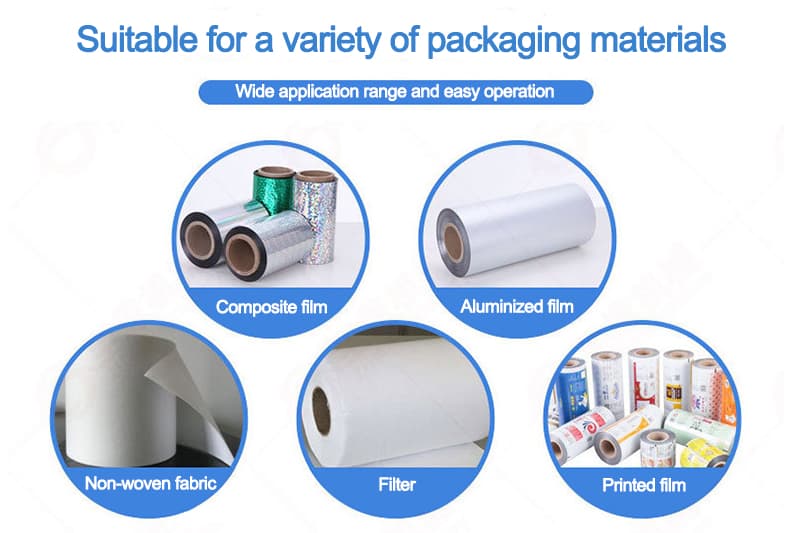
Packaging plays a crucial role in protecting products while also influencing presentation and functionality. For flow wrapper machines, material selection is both critical and complex. Flow wrapper packaging is typically made of composite film, aluminized film, non-woven fabric, filters, or printed film — each tailored for specific applications and requirements.
Flow wrapper packaging materials include composite films for durability, aluminized films for barrier properties, non-woven fabrics for breathability, and printed films for branding, offering versatile options tailored to diverse industry needs. Proper selection ensures efficiency, machine compatibility, and product protection.
Choosing the right material is key to optimizing packaging performance. Below, I’ll unpack the materials used in flow wrapper packaging, their characteristics, and how to match them to specific operational settings.
What are the primary materials used in flow wrapper packaging?
Flow wrapper packaging materials directly affect the efficiency and outcome of packaging processes. The core materials include composite film, aluminized film, non-woven fabric, filters, and printed film — all of which meet different functional and operational requirements.
Composite films are valued for durability1; aluminized films provide barriers to light, oxygen, and moisture; non-woven fabrics and filters enable breathability for specialty products, and printed films combine functionality with branding.
Each material offers specific benefits, and understanding their distinct properties helps businesses avoid mismatches that could compromise production quality. Let’s examine these materials in more depth.
Composite Film: A versatile packaging foundation
Composite film stands out for its excellent strength and sealing performance2, which make it suitable for a wide range of products. Composed of multiple layers like polyethylene (PE), polypropylene (PP), or polyester (PET), it balances flexibility and durability.
- Advantages: Resistant to tearing, versatile for sealing, and compatible with various product types.
- Common applications: Food items like snacks, bakery goods, and frozen products.
- Key considerations: Check film gauge thickness for compatibility with your flow wrapper to ensure smooth operation.
Aluminized Film: The specialist for barrier protection
Aluminized film incorporates a layer of aluminum3, offering exceptional barrier properties against light, moisture, and oxygen. It is widely used for goods with sensitive shelf-life requirements.
- Advantages: Superior barrier and heat insulating properties.
- Common applications: Coffee, snacks, and pharmaceutical products.
- Key considerations: Ensure machine compatibility since aluminized films can be more rigid than standard films, requiring well-maintained tension controls.
Non-Woven Fabric and Filters: Specialty materials for breathability
Non-woven fabrics and filters are tailored for products benefiting from airflow or moisture permeability. They’re key in medical, healthcare, and agriculture industries.
- Advantages: Lightweight and breathable.
- Common applications: Surgical masks, agricultural products, and hygiene items.
- Key considerations: Validate roll diameter and fabric tensile strength, ensuring they align with your machine’s requirements.
Printed Film: Merging functionality with branding
Printed films not only protect products but also serve as a canvas for marketing. These films are pre-printed with logos, product information, or designs to differentiate brands.
- Advantages: Customizable for branding needs, and compatible with precise cutting mechanisms.
- Common applications: Snacks, candies, and personal care products.
- Key considerations: Print registration — aligning the graphics properly with the seal — depends on your flow wrapper’s sensing and cutting capabilities.
Why doesn't one size fit all for flow wrapper packaging?
It’s a common misconception that one type of flow wrapper material suits all products. However, specific product characteristics, external conditions, and equipment capabilities determine the optimal material for packaging workflows.
Mismatch issues arise when the material does not align with sealing, tension, or heat tolerance requirements, leading to production inefficiencies. I've seen firsthand how selecting an unsuitable film can result in wrinkling, inconsistent seals, or even equipment damage.
How mismatching impacts outcomes:
- Equipment compatibility issues: Films that are too thick or rigid may jam, while overly thin materials might tear under tension.
- Packaging inefficiency: Misaligned materials can lead to voids, improper seals, or wasted products.
- Product protection risks: Certain materials lack the barrier strength needed to keep contents fresh or safe.
To avoid these pitfalls, consult with machine manufacturers or suppliers about material options suited to your product type and packaging goals.
How do machine compatibility and material choice align?
When evaluating materials for a flow wrapper, ask about the machine’s specific capabilities. Not all packaging machines can accommodate every type of film or material.
Compatibility is foremost influenced by factors like machine speed, sealing mechanisms, and tension adjustment controls designed for the film type.
Key machine features to check:
- Temperature control range: Correct temperatures ensure proper sealing for heat-sensitive materials like polypropylene.
- Tension adjustment: Prevents tearing or wrinkling with materials like aluminized films.
- Sealing compatibility: Some films require ultrasonic or cold-seal mechanisms instead of traditional heat seals.
- Feeding tolerance: Machines with adjustable feeding speeds accommodate varied roll thickness and film stiffness.
Your machine’s adaptability can save costs and simplify workflows, especially if you need to switch between materials for different products. For manufacturers with diverse product lines, investing in a machine capable of processing multiple film types is a wise decision.
Common myths about flow wrapper packaging materials
There are many myths and misunderstandings among buyers when it comes to flow wrapper packaging. Let me break down some of the most common myths I’ve encountered:
-
"Only one material works for everything."
Reality: Materials should match specific products and environmental conditions. Aluminized film might be great for moisture-sensitive items, but unsuitable for breathable products. -
"Compatibility is universal across machines."
Reality: Packaging films vary in thickness, rigidity, and heat tolerance. These variables heavily influence compatibility. -
"High-cost materials always ensure better quality."
Reality: While premium materials offer specific benefits, they could be unnecessary — or inefficient — if they don’t align with your product or machine.
Frequently Asked Questions
What’s the most commonly used flow wrapper packaging material?
Composite films are the most commonly used material, thanks to their adaptability and cost-effectiveness across industries such as food, pharmaceuticals, and consumer goods.
Can flow wrappers handle biodegradable film?
Yes, many modern flow wrappers support biodegradable films4. However, you should confirm compatibility with your machine, especially regarding sealing and tension settings.
How do I know which packaging material to choose?
Consider your product type, shelf-life needs, environmental factors like humidity or temperature, and your machine capabilities. Consulting both a machine supplier and a material vendor ensures the best fit.
Conclusion
Flow wrapper packaging materials come in a variety of forms, including composite films, aluminized films, non-woven fabrics, filters, and printed films. Each type serves specific applications, making material selection critical to achieving packaging efficiency, compatibility, and quality. By understanding the role of material characteristics and your flow wrapper's capabilities, you can optimize operations and safeguard products’ integrity.
To explore flow wrapper machines capable of handling multiple material types or to better align materials with your operations, reach out to us today!
"Polysaccharide-Based Composite Films - PMC - NIH", https://pmc.ncbi.nlm.nih.gov/articles/PMC11593711/. Research studies on packaging materials highlight the durability of composite films, the barrier properties of aluminized films, the breathability of non-woven fabrics, and the branding potential of printed films. Evidence role: general_support; source type: research. Supports: The functional benefits of composite films, aluminized films, non-woven fabrics, and printed films in packaging applications.. ↩
"Nanocellulose Composite Films in Food Packaging Materials", https://pmc.ncbi.nlm.nih.gov/articles/PMC10856991/. Studies on composite film properties confirm their high strength and effective sealing performance, making them suitable for diverse packaging needs. Evidence role: mechanism; source type: paper. Supports: The strength and sealing performance of composite films in packaging applications.. ↩
"Multilayered packaging", https://en.wikipedia.org/wiki/Multilayered_packaging. Research on aluminized films demonstrates that the aluminum layer effectively blocks light, moisture, and oxygen, enhancing product shelf life. Evidence role: mechanism; source type: research. Supports: The role of the aluminum layer in aluminized films for providing barrier properties.. ↩
"A Review on Biopolymer-Based Biodegradable Film for Food ...", https://pmc.ncbi.nlm.nih.gov/articles/PMC10346960/. Research on biodegradable packaging materials confirms that many modern flow wrappers are designed to handle these films, provided sealing and tension settings are appropriately adjusted. Evidence role: general_support; source type: research. Supports: The compatibility of modern flow wrappers with biodegradable films.. ↩