Skip to content

Looking for shrink wrapping machines for sale? Whether you're a manufacturer or logistics operator, finding the right equipment goes beyond just locating a seller. The variety of shrink wrapping machines, their capabilities, and how they fit into your specific operations are all critical considerations. Let’s break down how to make the right choice.
The quick answer:
Shrink wrapping machines are for sale through industrial equipment suppliers, specialized packaging machinery manufacturers, and even select online platforms. However, buyers should carefully evaluate machine types, operational needs, and supplier reliability before purchasing.

Don’t just search; understand what to search for. Keep reading to learn where to source shrink wrapping machines, how to choose the right type for your needs, and common buying pitfalls to avoid.
What are shrink wrapping machines used for?
Shrink wrapping machines solve critical packaging problems. For businesses aiming to reduce manual labor and improve packaging efficiency, these machines are indispensable. They apply a heat-shrinkable film around products, which contracts tightly when heated, safeguarding items for storage, distribution, or retail displays.
Shrink wrapping machines are used to package and secure goods of varying shapes and sizes by enclosing them in plastic film that shrinks tightly around them upon heat application. They enhance product protection, presentation, and handling efficiency.

From bundling beverage multipacks for retail to securing industrial products for shipping, these machines cater to diverse applications. However, choosing the right machine for your product and operational requirements is critical to fully unlocking their potential.
Key types of shrink wrapping solutions
Shrink wrapping systems are not universal. Here are three common types to consider:
- Manual shrink wrapping machines: Ideal for small-scale operations. The operator wraps the product manually before applying heat.
- Semi-automatic machines: These streamline parts of the process, reducing labor dependence while requiring operator supervision.
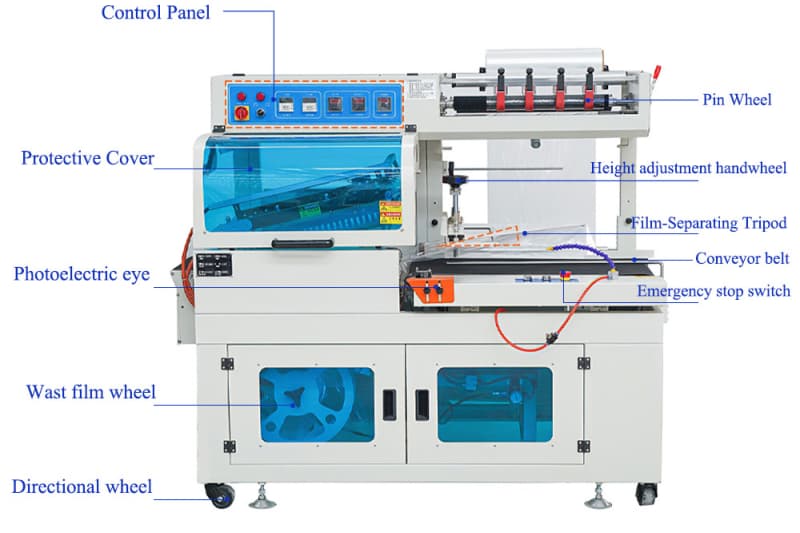
- Fully automatic machines: Best suited for operations with high throughput requirements, fully automating the wrapping and sealing process with efficiency gains.
Choosing the ideal solution requires understanding your packaging needs, daily volume, and labor budget.
Where can you buy shrink wrapping machines?
When searching for shrink wrapping machines for sale, your options are plentiful. But not all sources deliver the reliability or customization that industrial buyers need. Understanding vendor types will save you from costly errors.
Shrink wrapping machines can be purchased directly from manufacturers, through packaging equipment distributors, or from B2B e-commerce platforms. Each options offers pros and cons, depending on your requirements for customization, technical support, and price.
Vendor categories to explore:
-
Manufacturers:
Best for companies seeking customizable solutions tailored to their product and operational needs. Manufacturers like us at Shandong Former Machinery Co., Ltd. even offer pre-shipment testing videos and remote technical support. This ensures you receive a machine perfectly configured for your business. -
Distributors and resellers:
These companies provide a broad range of machinery brands, which is helpful during the comparison stage. Look for those with after-sales service frameworks to ensure ongoing maintenance and technical support. -
B2B platforms:
Online platforms like Alibaba or ThomasNet allow quick price comparisons but require careful diligence. Many low-cost options fail to meet quality and performance standards. -
Second-hand market:
Used equipment marketplaces can offer cost savings but often lack warranties or technical support. Beware of potential compatibility and performance issues.
How do you select the right shrink wrapping machine?
Every business has unique packaging requirements, so choosing the right shrink wrapping machine requires more than just knowing your product size. Missteps at this stage often lead to inefficiencies.
To select the best shrink wrapping machine, consider your product dimensions, daily packaging volume, desired automation level, available workspace, and integration with existing workflows. Testing and consulting with suppliers can further refine your decision.
Key considerations for buying:
-
Product characteristics:
Are you wrapping irregularly shaped items or uniform packages? The right machine design depends heavily on this factor. -
Packaging volume:
Small operations may thrive with semi-automatic models, but high-throughput facilities should only consider fully automated machinery. -
Price vs. performance:
Cheap options may compromise on build quality and operational life. Invest in solutions that balance upfront cost with ongoing efficiency. -
Installation space and workflow:
A common mistake I’ve seen involves buyers who overlook space restrictions. Measure your available area and assess layout compatibility before purchasing. -
Vendor collaboration:
A trusted supplier can offer professional guidance, project-specific configuration advice, and post-installation technical support.
Real-world example: Automation ROI
I once helped a customer transition from a semi-automatic model to a fully automated shrink wrapping machine. Their daily volume increased to over 300 packages per day, driving up manual labor costs. By switching to automation, they achieved labor savings of over $15,000 annually while boosting productivity and packaging precision. This is why understanding your scalability needs is so important.
What are the common pitfalls to avoid when buying?
Buying a shrink wrapping machine without proper evaluation can lead to expensive regrets. I’ve seen too many cases where businesses lose time and resources due to avoidable mistakes.
Common pitfalls include basing decisions solely on price, neglecting to measure available installation space, and failing to seek adequate supplier guidance. Avoid these issues to ensure your investment delivers optimal results.
Here’s what to watch for:
- Solely focusing on cost:
Machines priced dramatically below market rates are rarely long-term solutions. - Skipping technical consultation:
A trusted supplier can identify the right configurations for your process—don’t bypass this step. - Ignoring compatibility:
Ensure the new machine integrates seamlessly with your upstream and downstream operations. - Underestimating maintenance needs:
Easy-to-maintain machines save downtime.1 Check if spare parts and manuals are readily available.

Frequently Asked Questions
How much does a shrink wrapping machine cost?
Shrink wrapping machines range from $1,000–$20,000+, depending on whether they’re manual, semi-automatic, or fully automated. Customized options may add to the cost but often result in better performance fit.
Can I customize a shrink wrapping machine for my operation?
Yes, many manufacturers, including Shandong Former Machinery, offer machine customizations based on product dimensions, film types, and operational requirements.
How do I know if automation is worth it?
Automation is worthwhile for businesses with high packaging volumes or those aiming to reduce manual labor. It increases throughput, improves consistency, and often delivers strong ROI through efficiency savings.
Conclusion
Finding the right shrink wrapping machine for sale requires understanding both your operational requirements and the range of machinery available. Whether you’re looking for manual, semi-automatic, or fully automated solutions, carefully evaluate price, performance, and how the machine fits into your workflow. Remember, long-term operational efficiency matters more than upfront costs.
If you’d like personalized advice or need equipment tailored to your needs, I’d be happy to help. Get in touch to streamline your packaging operations today!
"5 Benefits Of Preventive Maintenance", https://heavyequipmentcollege.edu/5-benefits-of-preventive-maintenance/. Research on industrial equipment maintenance highlights that easy-to-maintain machines significantly reduce downtime and associated costs. Evidence role: general_support; source type: research. Supports: Maintenance-friendly machines reduce downtime and improve operational efficiency.. ↩