Skip to content

Selecting the right packaging equipment can be overwhelming, and many prospective buyers wonder, “What is the name of the robot that wraps pallets?” Pallet-wrapping robots are specialized machines designed to efficiently wrap stretch film around palletized loads, ensuring stability during storage and transportation. Unlike generic packaging machines, they automate load-wrapping processes while offering unique features tailored to specific applications.
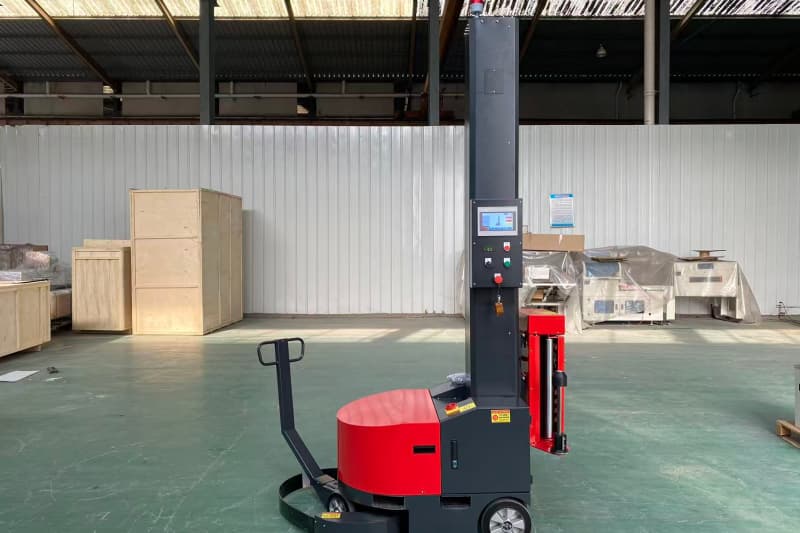
Pallet-wrapping robots are commonly referred to as "robot stretch wrappers" or "mobile wrapping robots." These names reflect their primary functionality: automating the stretch film application around pallets for load stability. Depending on the design, some models are stationary, while others are mobile, navigating around the pallet autonomously to wrap it.
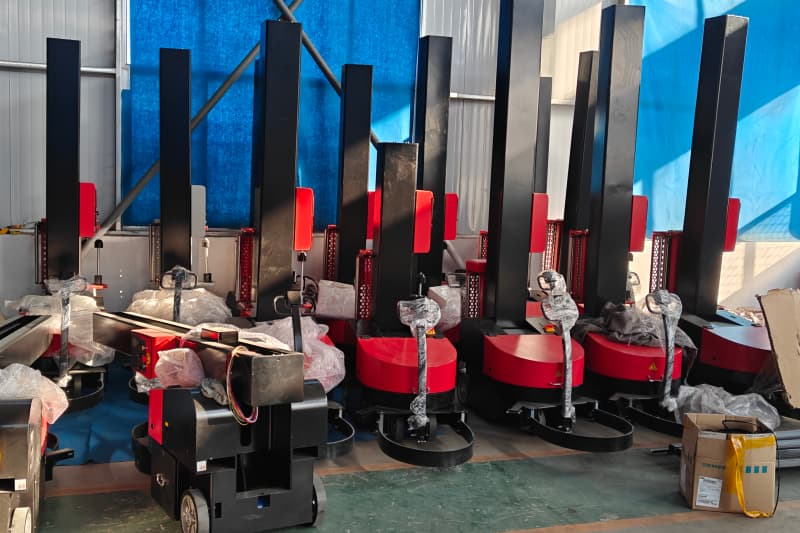
Understanding the terminology and differentiating between types of pallet-wrapping equipment is essential when selecting the right solution for your business. Below, I’ll break down key aspects of pallet-wrapping robots, what sets them apart, and how you can ensure they meet your operational needs.
What features set pallet-wrapping robots apart from generic machines?
The problem: Many prospective buyers lump pallet-wrapping robots into the broader category of packaging machines, overlooking their specialized functions.
The solution: Pallet-wrapping robots are distinctive due to their automated film application, load-stabilization capabilities, and ability to meet high production efficiency demands.
Pallet-wrapping robots are uniquely engineered to automate stretch-wrapping processes with minimal manual intervention. Unlike traditional pallet-wrappers, these robots can navigate around pallets, apply consistent tension to the stretch film, and achieve optimized wrapping patterns for load stability.
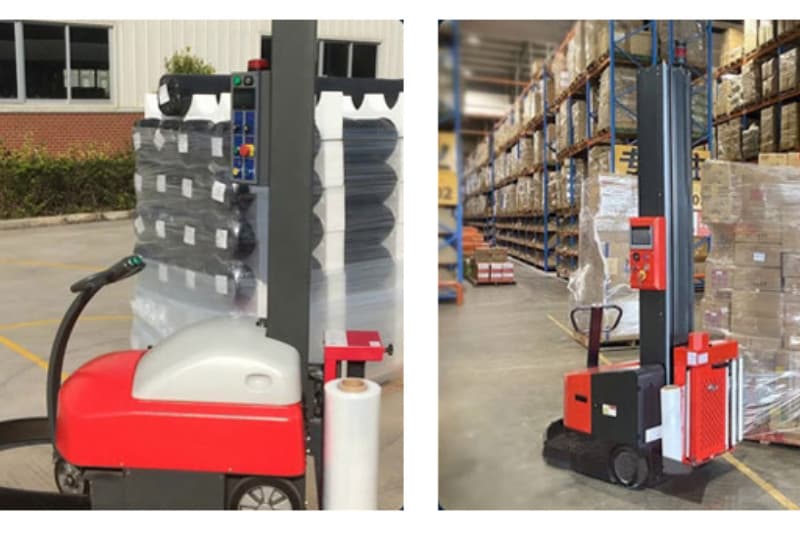
Dive deeper: Key distinguishing features explained
Here are some defining characteristics of pallet-wrapping robots:
-
Mobility Options:
- Mobile models autonomously navigate around stationary pallets, wrapping them evenly.
- Stationary carousel-style robots rotate pallets on a turntable while consistently applying stretch film.
-
Optimized Tension Control:
Stretch film tension is critical for load stability.1 Pallet-wrapping robots monitor and adjust tension during operation, ensuring the load stays secure without deforming packaging materials. -
Custom Wrapping Programs:
Advanced models allow users to set parameters like film overlap, reinforcing wraps at critical points, and varying the wrap speed for top pallets versus base loads.2 -
Space Efficiency:
Especially for mobile models, these robots are ideal for facilities with limited floor space, as they don’t require permanent installations like turntable pallet wrappers.
By understanding these features, businesses can better assess whether a pallet-wrapping robot aligns with their production workflow, load security needs, and plant layout.
How do you choose the right pallet-wrapping robot?
Every business has unique packaging requirements, making one-size-fits-all models impractical. Whether you’re wrapping fragile products or heavy industrial loads, selecting the machine that aligns with your needs requires careful assessment.
Choosing the right pallet-wrapping robot involves evaluating key factors: package dimensions, load security, wrapping speed, and machine compatibility with current workflows. These criteria determine the machine’s usability and effectiveness in your specific operational environment.
Dive deeper: Decision-making criteria for selecting the best robot
Here’s a practical framework to help ensure informed decision-making:
1. Load Specifications:
- Evaluate the dimensions, weight, and structural integrity of your typical palletized loads.
- Heavy or irregularly-shaped loads may require robots with reinforced wrapping mechanisms.
2. Production Speed and Volume:
- Assess the number of pallets requiring wrapping daily.
- High-volume operations benefit from faster robots with programmable wrapping cycles.3
3. Load Stability Requirements:
- Determine if fragile or shifting materials are included in your pallets.
- Machines with adjustable tension control excel at handling loads that require precision stability.4
4. Facility Space:
- Compact facilities without room for a stationary turntable benefit from mobile wrapping robots.5
- Ensure the machine layout fits into your production pipeline seamlessly.
5. Automation Needs:
- Some businesses prefer semi-automated systems, while others require fully autonomous operation.
- Identify the level of human intervention acceptable for your workflow.
6. Budget and ROI:
- While initial investment may range high for advanced models, calculate expected savings from reduced labor costs and enhanced packaging consistency.
I’ve worked with customers who were unsure whether their pallet configuration could support mobile robotic wrappers. By analyzing their load stability issues and floor space limitations, I recommended customizable, compact models that increased both wrapping consistency and operational flexibility.
What are common challenges buyers face with pallet-wrapping robots?
Even when the advantages of pallet-wrapping robots are clear, buyers face misconceptions and hidden challenges during the selection process.
The problem: Buyers often underestimate the importance of machine compatibility with their existing production workflows or over-prioritize speed at the expense of load security.
Understanding common challenges helps you avoid pitfalls and select the right machine. Buyers should carefully assess machine specifications, performance guarantees, and after-sales support.
Dive deeper: Challenges explained
1. Integration Complexities:
- Robots need to smoothly integrate into the packaging line. Compatibility challenges can arise when existing workflows involve non-standard conveyor systems.
2. Misaligned Features:
- Machines with overly advanced specifications may exceed requirements, while basic models could struggle to meet higher operational demands.
3. Maintenance and Servicing:
- Regular upkeep of robotic components is essential to maintain precision.6 Assess how quickly spare parts and service technicians are available post-purchase.
4. Unclear Support Terms:
- Always confirm warranty coverage, remote guidance availability, and on-site technical assistance before committing to a supplier agreement.7
5. Space Restrictions:
- Configurations that appeared feasible during planning can fail to account for restricted operating areas.
By addressing each of these challenges upfront, businesses can prevent costly inefficiencies or downtime.
Frequently Asked Questions
What types of pallet-wrapping robots exist?
Pallet-wrapping robots are available in mobile models (navigate around pallets autonomously) and stationary models (use turntables to rotate pallets for wrapping). Each type suits different production environments.
How much film do pallet-wrapping robots consume?
Consumption depends on machine settings such as film overlap and tension parameters. Advanced robots optimize usage by avoiding excess layers, saving film costs while maintaining stability.
Are robotic pallet wrappers better than manual alternatives?
Robots outperform manual wrapping in terms of speed, consistency, and load security.8 For businesses with high-volume packaging needs, they reduce labor costs and improve operational efficiency.
Can pallet-wrapping robots handle irregular pallet shapes?
Yes, most robots are designed to accommodate irregular or mixed loads by adjusting wrapping patterns and tension controls.
Do pallet-wrapping robots require programming expertise?
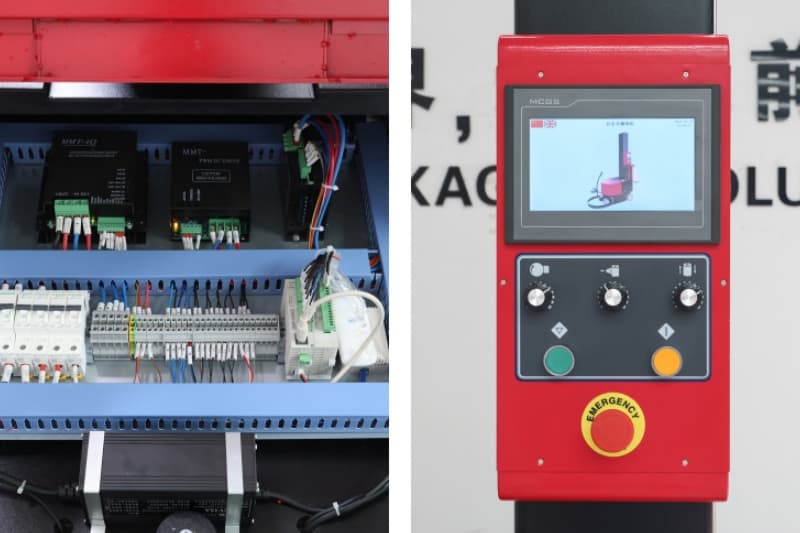
No — most models feature user-friendly controls with preset configurations. Advanced users can customize settings without complex programming.
Conclusion
Pallet-wrapping robots, often called “robot stretch wrappers” or “mobile wrapping robots,” streamline the process of securing palletized loads with stretch film. They stand out from general packaging machines with features like automated film application and customizable wrapping cycles. When selecting the right robot, consider load size, stability needs, production volume, and facility constraints.
It’s essential to consult qualified suppliers who can provide tailored recommendations and technical support. Contact me today for help identifying the best pallet-wrapping solution for your business!
"Effect of Time and Temperature on Stretch Wrap", https://unitload.vt.edu/research/undergraduate-research/recent-undergraduate-research/undergraduate-research-temperature-stretchwrap.html. Research indicates that proper stretch film tension is essential for securing palletized loads, as it prevents shifting and ensures uniform pressure distribution. Evidence role: mechanism; source type: research. Supports: The importance of stretch film tension in maintaining load stability during storage and transportation.. Scope note: Specific tension requirements may vary depending on load type and film material. ↩
"Best-practices -- Pallet-wrapping machine", https://www.dli.mn.gov/business/workplace-safety-and-health/best-practices-pallet-wrapping-machine. Educational resources on packaging technology confirm that advanced pallet-wrapping robots offer customizable settings, including film overlap and wrap speed adjustments, to enhance load stability. Evidence role: general_support; source type: education. Supports: The ability of advanced pallet-wrapping robots to customize wrapping parameters for optimized load security.. Scope note: Specific features may depend on the robot model and manufacturer. ↩
"Best-practices -- Pallet-wrapping machine", https://www.dli.mn.gov/business/workplace-safety-and-health/best-practices-pallet-wrapping-machine. Research on packaging automation demonstrates that programmable wrapping cycles significantly enhance efficiency in high-volume operations by reducing cycle times and ensuring consistent wrapping quality. Evidence role: statistic; source type: research. Supports: The efficiency benefits of faster robots with programmable wrapping cycles in high-volume operations.. Scope note: Efficiency gains may vary based on the specific production setup and robot model. ↩
"Standard Pallet Wrapping Machine, Turntable ...", https://www.smartwasp.com/products/standard-pallet-wrapping-machi/. Studies on packaging technology confirm that adjustable tension control in pallet-wrapping robots enhances load stability by preventing material deformation and ensuring uniform wrapping. Evidence role: mechanism; source type: research. Supports: The role of adjustable tension control in achieving precision stability for palletized loads.. Scope note: Effectiveness may depend on the type of load and stretch film used. ↩
"Best-practices -- Pallet-wrapping machine", https://www.dli.mn.gov/business/workplace-safety-and-health/best-practices-pallet-wrapping-machine. Institutional case studies highlight that mobile wrapping robots are ideal for compact facilities, as they eliminate the need for permanent installations like turntables. Evidence role: case_reference; source type: institution. Supports: The suitability of mobile wrapping robots for facilities with limited space.. Scope note: Space efficiency may depend on the specific layout and operational constraints of the facility. ↩
"Best-practices -- Pallet-wrapping machine", https://www.dli.mn.gov/business/workplace-safety-and-health/best-practices-pallet-wrapping-machine. Educational materials on robotic systems emphasize that regular maintenance is critical for preserving precision and operational reliability in pallet-wrapping robots. Evidence role: expert_consensus; source type: education. Supports: The necessity of regular maintenance for robotic components to ensure precision in operation.. Scope note: Specific maintenance schedules may vary by model and usage intensity. ↩
"Contract Manufactoring And Packaging Agreement", https://www.sec.gov/Archives/edgar/data/1431897/000119312512444185/d406800dex103.htm. Institutional guidelines recommend confirming warranty coverage, remote guidance availability, and on-site technical assistance to ensure reliable post-purchase support for packaging robots. Evidence role: expert_consensus; source type: institution. Supports: The importance of verifying warranty coverage and technical support terms before purchasing packaging robots.. Scope note: Support terms may vary significantly between suppliers. ↩
"Best-practices -- Pallet-wrapping machine", https://www.dli.mn.gov/business/workplace-safety-and-health/best-practices-pallet-wrapping-machine. Studies comparing robotic and manual pallet wrapping indicate that robots achieve higher speed, consistency, and load security, particularly in high-volume operations. Evidence role: statistic; source type: research. Supports: The comparative advantages of robotic wrapping over manual methods in terms of speed, consistency, and load security.. Scope note: Performance differences may vary based on operator skill and robot model. ↩