Skip to content

When it comes to optimizing packaging operations, wrapping machines play a critical role. However, many manufacturers face common problems that can hinder production efficiency. Understanding these issues is essential for making informed decisions and avoiding costly mistakes.
Common problems with wrapping machines often include frequent equipment downtime, selection errors, integration challenges, and insufficient post-purchase support. Fortunately, these problems can be mitigated through careful planning and selecting the right suppliers.

Ensuring a seamless packaging process requires insight into the common pitfalls in selecting and integrating wrapping machines. Let’s explore these problems and their solutions in detail.
Why is frequent downtime an issue?
Frequent equipment downtime can severely disrupt operations, leading to lost revenue. Often, insufficient pre-shipment quality assurance checks and poor component choices are to blame1.
When buyers neglect these aspects, they risk purchasing machines that cannot withstand regular use or have hidden defects. Additionally, lack of post-purchase maintenance support can exacerbate the issue.
To minimize downtime, prioritize machines that have undergone rigorous pre-shipment testing2 and come with reliable warranties. Ensure the supplier has a strong track record of quality and customer service.
A systematic pre-shipment testing approach is critical. As someone with over 20 years of experience in exporting packaging machinery, I have seen firsthand the impact of these quality assurance processes. Many suppliers conduct thorough testing, which often includes:
- Operational testing under various loads
- Simulation of real-world operational conditions
- Detailed inspections of components and functionalities
Ensuring that the machine you choose has these testing protocols can lead to greater operational reliability.
How do selection errors arise?
Selection errors, where a wrapping machine does not fit the specific needs of the production line, are prevalent. These mistakes often stem from a heavy reliance on lower-cost options or miscommunications with suppliers.
For instance, opting for cheaper machines may result in purchasing equipment ill-suited for the product's size, weight, or packaging style3. This can lead to inefficiencies, higher costs in the long run, and a negative impact on productivity.
Buyers should engage in thorough discussions with suppliers and seek tailored recommendations based on precise requirements and site conditions. This collaboration helps ensure an optimal fit between machine specifications and production needs.
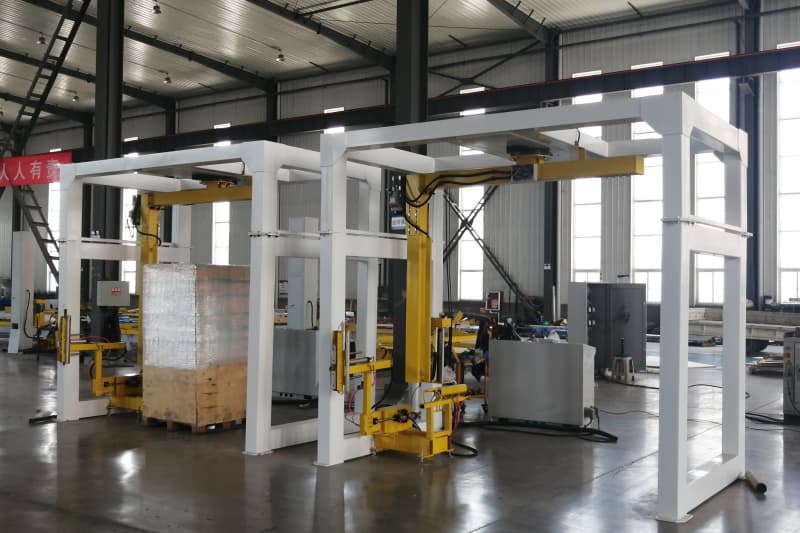
To make informed selections, consider the following steps:
- Define your requirements clearly: Detail the types of products, required speed, and production volume.
- Engage with knowledgeable suppliers: Those who can provide personalized insights into the machine's capabilities will help you make a better choice.
- Request case studies or references: Look for examples of similar applications to validate the supplier’s claims.
What integration challenges can occur?
Integration challenges can arise when wrapping machines are incompatible with existing production lines or workflows. These issues can stem from improper layout design, mismatched specifications, or overlooked prerequisites in the integration process.
Such complications can lead to delays, increased labor costs, and ultimately a poor return on investment (ROI). To mitigate these risks, a well-planned layout design and accurate specification matching between the wrapping machine and existing systems are essential4.
A successful integration process involves:
- Assessment of current workflows and equipment: Understanding your existing landscape is crucial for seamless integration.
- Collaboration with suppliers for layout design: Engaging with experienced suppliers who can visualize how their equipment fits into your environment can eliminate many integration challenges.
- Testing before full implementation: Running trials can help identify any potential issues before the equipment becomes fully operational.
What role does post-purchase support play?
Insufficient post-purchase support is another common issue in the wrapping machine sector. Reliable solution providers offer not just robust machines but also ongoing assistance. Support during critical post-purchase phases—like operator training, remote troubleshooting, and quick access to repair services—can significantly impact operational efficiency.

Consider these aspects of post-purchase support when selecting a wrapping machine:
- Operator training programs: These ensure that staff can operate the machine efficiently from day one, minimizing potential issues.
- Service agreements: Confirm the availability of maintenance services and response times for emergency repairs.
- Resources for troubleshooting: Access to guides, manuals, and responsive customer service can ease resolving common problems.
Frequently Asked Questions
What causes wrapping machines to break down frequently?
Frequent breakdowns can result from poor quality components, inadequate maintenance, and insufficient operator training. Ensuring rigorous pre-shipment testing and selecting reliable suppliers can minimize these risks.
How can businesses avoid selection errors with wrapping machines?
Businesses should thoroughly assess their specific requirements and consult with knowledgeable suppliers for tailored recommendations. Engaging in thorough discussions about capacity, product type, and operational goals is critical.
What are the signs of integration problems with wrapping machines?
Signs of integration issues include improper machine alignment, increased production times, and equipment that does not fit seamlessly with existing systems. Conducting a thorough layout assessment beforehand can alleviate these concerns.
Why is post-purchase support important for wrapping machines?
Post-purchase support is essential for ongoing training, immediate troubleshooting, and efficient repairs. Reliable service ensures smooth operations and aids in minimizing downtime.
What should be included in a warranty for wrapping machines?
A solid warranty should cover parts, labor, and defects in manufacturing. It should also outline specific terms for service agreements following the warranty period.
Conclusion
Understanding and addressing the common problems with wrapping machines is paramount for making thoughtful procurement decisions. Frequent downtime, selection errors, integration challenges, and insufficient post-purchase support all pose significant threats to operational efficiency. Emphasizing quality assurance, engaging in proper planning, and selecting the right solution providers can help navigate these issues effectively. For packaging machinery buyers, seeking out reliable suppliers who provide comprehensive support can lead to improved production outcomes and a more streamlined packaging process.
Take proactive steps to address these issues, and ensure that your operations are equipped to meet current and future demands.
"The Importance of Reliability and Maintainability in ...", https://rmc.utk.edu/the-importance-of-reliability-and-maintainability-in-manufacturing/. Educational resources highlight that rigorous pre-shipment testing can identify defects and ensure component reliability, reducing operational disruptions. Evidence role: mechanism; source type: education. Supports: Pre-shipment testing and component quality are critical to reducing equipment downtime.. Scope note: The evidence is general and may not include specific examples from the wrapping machine industry. ↩
"Pre-shipment inspection", https://en.wikipedia.org/wiki/Pre-shipment_inspection. Institutional reports on industrial machinery emphasize that pre-shipment testing protocols can identify potential defects, improving reliability. Evidence role: case_reference; source type: institution. Supports: Rigorous pre-shipment testing reduces the likelihood of equipment downtime.. Scope note: The reports may focus on general industrial machinery rather than wrapping machines specifically. ↩
"Large Increase in Machinery Costs Suggests Need to ...", https://farmdocdaily.illinois.edu/2025/10/large-increase-in-machinery-costs-suggests-need-to-reconsider-machinery-purchase-decisions.html. Educational materials on industrial procurement emphasize that prioritizing cost over specifications often leads to operational inefficiencies. Evidence role: mechanism; source type: education. Supports: Cost-driven decisions can result in purchasing machines that are unsuitable for specific production needs.. Scope note: The evidence may not include specific examples from the wrapping machine industry. ↩
"Recommended technical specifications for procurement of ...", https://www.govinfo.gov/content/pkg/GOVPUB-C13-7fc9a36957956875e2fad1cee6bd7246/pdf/GOVPUB-C13-7fc9a36957956875e2fad1cee6bd7246.pdf. Educational resources on industrial design emphasize that accurate layout planning and specification matching reduce integration challenges. Evidence role: expert_consensus; source type: education. Supports: Proper layout design and specification matching are critical for machinery integration.. Scope note: The resources may not provide specific examples from the wrapping machine industry. ↩