Skip to content

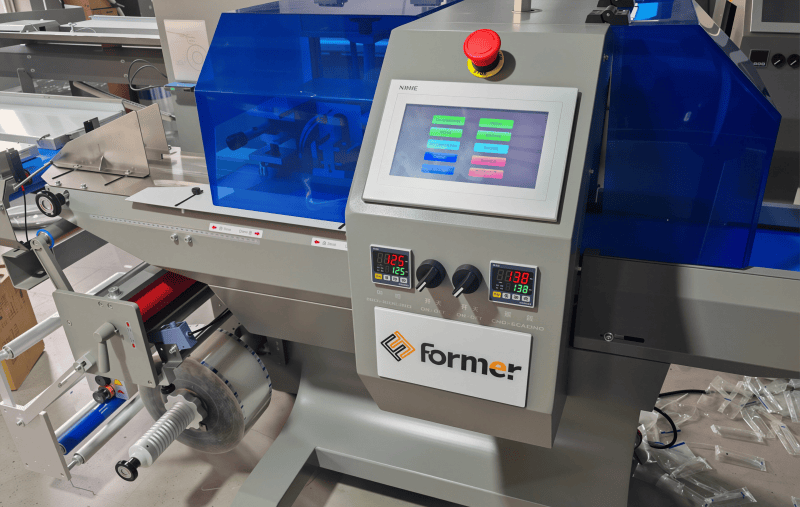
Flow wrapper packaging is a versatile and cost-effective solution that has gained popularity in industries like food, pharmaceuticals, and consumer goods. However, many buyers are unfamiliar with its unique capabilities and advantages, often mistaking it for similar equipment. Let’s dive deeper into what flow wrapper packaging is, how it works, and why it could be the right choice for your business.
Flow wrapper packaging involves machines that use a horizontal wrapping process to enclose items in a continuous roll of film, creating secure and visually appealing packs quickly and efficiently. It is ideal for products with regular shapes, such as chocolates, biscuits, or medical syringes, and supports various packaging materials, including polyethylene and polypropylene.
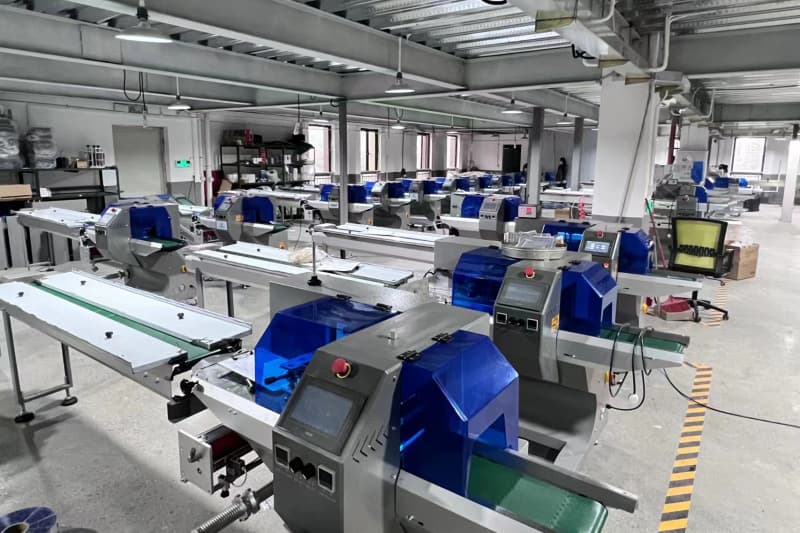
If you’re considering how this technology fits into your production line, understanding its benefits and applications will help you make an informed decision. Let’s explore why flow wrapper packaging machines stand out and how they’re used in real-world scenarios.
How does flow wrapper packaging work?
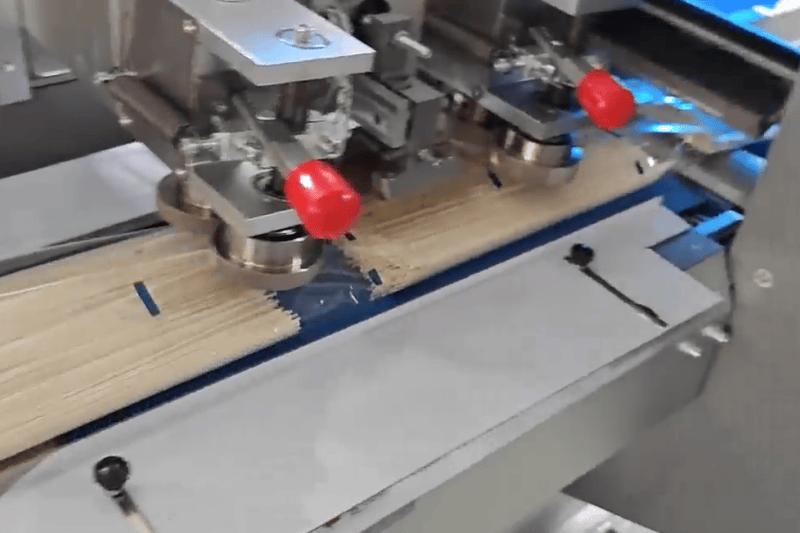
Flow wrapper packaging relies on horizontal motion to wrap products individually or in groups.
The machine works by feeding items onto a conveyor belt which moves them through a continuous film roll. Heat-sealing mechanisms create secure seals at both ends, leaving the products fully enclosed. This combination of speed, precision, and adaptability makes flow wrappers essential for industries needing high-volume production or specific presentation requirements.
Dive deeper: Key features of flow wrapper machines
Flow wrapper machines are built to handle specific demands with precision. Key features include:
- Horizontal movement: Unlike vertical technologies, flow wrapper packaging excels at handling solid products with stable shapes.
- Flexible film options: These machines allow manufacturers to use a wide variety of materials, including eco-friendly films for sustainable packaging.
- Sealing mechanisms: The machines employ heat-sealing or cold-sealing techniques suited to the materials and products involved.
- Speed and automation: High-volume production lines benefit significantly from flow wrappers due to their ability to wrap products in rapid succession.
For instance, I recently worked with a confectionery manufacturer that upgraded their manual wrapping process to automated flow wrapper packaging. This change reduced labor costs by over 30% while maintaining consistent quality across thousands of units daily.
Where does flow wrapper packaging perform best?
Flow wrappers perform exceptionally in industries requiring precise and attractive packaging for high-production workflows.1
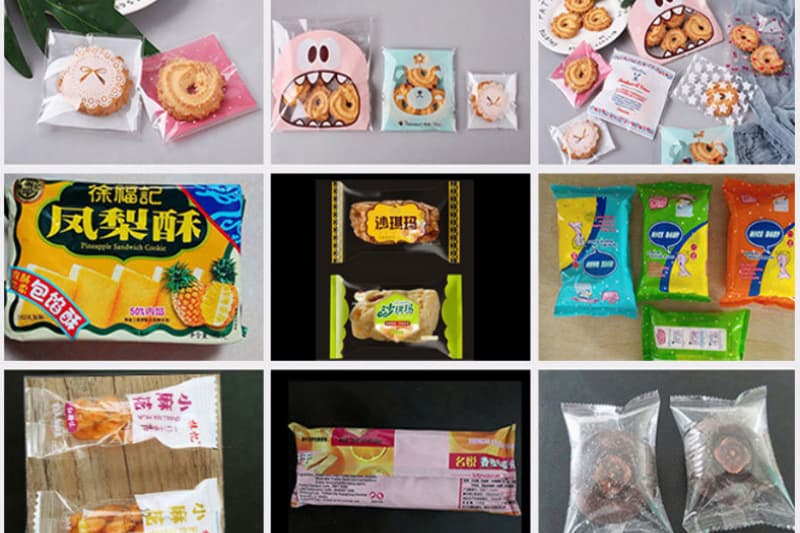
They are commonly used for food products like cookies, granola bars, and chocolates—where speed and hygiene are critical. Similarly, pharmaceutical sectors depend on these machines to ensure sterile packaging for medical items like syringes and blister packs.
Dive deeper: Industry-specific applications
Here’s why flow wrapper packaging is uniquely suited to certain production environments:
-
Food and beverage: Hygienic film wrapping is vital for perishable items.2 A bakery brand I worked with achieved airtight sealing for bread rolls while maintaining production rates at 200 units per minute.
-
Pharmaceuticals: Sterile packaging is crucial in medical applications. Flow wrappers ensure consistent and contamination-free seals for items like syringes or tablet packs.
-
Consumer goods: Consistency in presentation matters for items like cosmetics or small hardware tools. Flow wrappers enhance shelf appeal while keeping the products intact.
-
E-commerce & distribution: Fragile or high-value items benefit from protective wrapping using flow wrappers, reducing damage during shipping.
What are the misconceptions about flow wrapper machines?
Many customers confuse flow wrappers with other types of packaging machines, such as vertical form-fill-seal (VFFS) systems. These misconceptions often occur because buyers focus on product wrapping methods without understanding the distinctions.
The uniqueness of flow wrappers
Flow wrapper machines differ in several ways:
| Aspect | Flow Wrappers | Vertical Form-Fill-Seal Systems |
|---|---|---|
| Motion Orientation | Horizontal wrapping | Vertical packaging |
| Product Compatibility | Ideal for regular, stable shapes | Versatile for bulk or loose items |
| Packaging Type | Individual wrapping | Bags or pouches |
| Target Industries | Food, pharma, consumer goods | Bulk goods, powders, or liquids |
For example, a dairy company approached me for packaging equipment. Initially, they favored VFFS systems for their cheese slices, but after evaluating their product’s shape, they opted for flow wrappers. This delivered improved speed and a cleaner presentation for their retail products.
Why is total cost of ownership important for flow wrapper machines?
Evaluating the lifecycle cost of flow wrapper machines is just as important as their upfront price.
In many cases, buyers prioritize initial costs without factoring in long-term efficiencies, reliability, or maintenance expenses. Yet, these “hidden costs” can determine whether the machine is truly cost-effective.
Dive deeper: Key lifecycle cost considerations
When assessing flow wrapper machines, focus on:
-
Operational efficiency: Flow wrappers excel at reducing waste, ensuring a lower cost per unit over time. Higher production speeds directly translate to saved labor hours.
-
Maintenance requirements: Machines built with durable components last longer. Opting for reliable brands minimizes downtime and repair expenses.
-
Adaptability: Flow wrappers can scale with your future needs. For instance, modular add-ons like extra film spindles allow packaging flexibility without purchasing new machines.
-
Energy usage: Efficient sealing systems can reduce electricity consumption, minimizing long-term operational costs.
For example, when a frozen food company upgraded from older wrappers to modern servo-driven flow wrapper machines, they reduced film consumption by 15%, saving thousands in annual expenses.
Frequently Asked Questions
What is the difference between flow wrapping and shrink wrapping?
Flow wrapping envelopes products in film, while shrink wrapping uses heat to shrink film tightly around items. While flow wrapping focuses on consistent seals, shrink wrapping is preferred for group packaging.
Can flow wrappers handle fragile items?
Yes, flow wrappers include adjustable features like product handling belts and low-pressure sealing options, designed to protect fragile or delicate items.
What types of films can be used with flow wrapper machines?
Flow wrappers accommodate films such as polyethylene (PE), polypropylene (PP), and even biodegradable films, offering flexibility for eco-conscious businesses.
Are flow wrapper machines compatible with existing production lines?
Yes, most flow wrapper machines are modular and integrate seamlessly into automated production and sorting lines.
How long do flow wrapper machines typically last?
With proper maintenance, high-quality flow wrapper machines can operate reliably for 10–15 years, making them a sound investment for long-term use.
Conclusion
Flow wrapper packaging machines provide precise, efficient, and attractive solutions for industries requiring fast-paced production. By understanding their unique motion orientation, applicable industries, and lifecycle costs, buyers can confidently select the right equipment for their needs. Whether you’re packaging food, pharmaceuticals, or consumer goods, flow wrapper machines offer a reliable and adaptable option.
If you’re curious whether flow wrapper packaging aligns with your production goals, feel free to reach out. I’d be happy to provide insights or recommendations specific to your application.
"Precision and recall", https://en.wikipedia.org/wiki/Precision_and_recall. Research on packaging technologies highlights the precision and aesthetic benefits of flow wrappers in industries like food and pharmaceuticals. Evidence role: general_support; source type: research. Supports: Flow wrappers excel in industries requiring precise and attractive packaging for high-production workflows.. Scope note: The research may focus on specific industries and not cover all potential applications. ↩
"Food Ingredients & Packaging", https://www.fda.gov/food/food-ingredients-packaging. Government food safety guidelines emphasize the role of hygienic packaging in maintaining the quality and safety of perishable food items. Evidence role: expert_consensus; source type: government. Supports: Hygienic film wrapping is vital for preserving perishable items.. Scope note: Guidelines may vary by region and specific food categories. ↩