Skip to content

A horizontal pillow packing machine is a versatile packaging system designed to wrap products in a protective "pillow-shaped" film. These machines are widely used across industries, offering efficient solutions for packaging food, personal care products, hardware, and more. Understanding their functionality and selecting the right model for your needs can significantly impact production efficiency.
A horizontal pillow packing machine wraps products in pillow-shaped packaging by sealing film material on three sides for protection and presentation. It is used for a wide array of industries, including food production, personal care, and electronics. Proper selection ensures compatibility, efficiency, and minimized product damage.

While horizontal pillow packing machines are versatile, their effectiveness hinges on matching the machine to your specific product requirements. Below, I’ll explain their design, key applications, how to evaluate their suitability, and common decision-making pitfalls.
How does a horizontal pillow packing machine work?
Horizontal pillow packing machines solve the challenge of efficiently wrapping individual items with precision and speed.
These machines work by feeding products horizontally, wrapping them in film, and sealing the edges to create a protective pillow-shaped package. Their design accommodates products of various sizes and shapes, ensuring proper sealing.
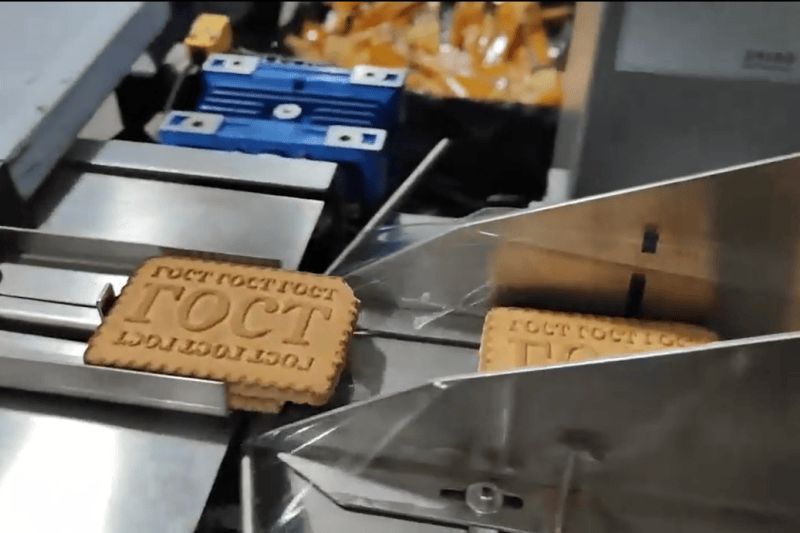
How the process unfolds:
- Film Feeding: The film roll is loaded onto the machine, which unwinds it to create wrapping material for products passing through.
- Product Handling: Products are conveyed horizontally into the film sleeves.
- Sealing: Heat-sealing mechanisms secure the film on three sides—top, bottom, and the product end, creating a durable, closed package.
- Cutting: A cutting mechanism trims the film on the edges, leaving a neat pillow shape.
This design works particularly well for protecting products from environmental exposure, keeping food fresh, safeguarding sensitive materials, and ensuring aesthetic appeal.
What are the primary uses of horizontal pillow packing machines?
Design versatility allows these machines to serve multiple industries efficiently.
Horizontal pillow packing machines are primarily used in food packaging (e.g., breads and pastries), personal care products (e.g., soaps and wipes), and hardware components. They’re valued for reducing manual labor, protecting products, and streamlining workflows.

Common applications include:
-
Food and Beverage:
- Packaging bakery items like bread, pastries, and cookies.
- Wrapping snack items like chips or granola bars.
- Sealing perishable and delicate items to preserve freshness.
-
Personal Care Products:
- Packaging soap bars, shampoo sachets, or face masks.
- Sealing liquid wipes or packets with leak-proof edges.
-
Electronics and Hardware:
- Wrapping small electronic items like USBs or chargers.
- Packaging screws, nails, or bolts efficiently.
Adaptability is a major asset; many machines can accommodate varied dimensions and delicate products by adjusting film tension, pressure, and sealing temperatures.
What factors should you consider when choosing a machine?
Choosing the right machine depends on evaluating compatibility with your production requirements.
Key considerations include product dimensions, production speed, film material types, and adaptability to future product lines. Proper selection ensures operational efficiency and minimizes downtime.
Key Evaluation Checklist:
- Product Characteristics:
- Understand product size, shape, and fragility. Products like bakery goods require soft film sealing mechanisms to avoid damage.
- Film Material:
- Choose films compatible with your product, such as food-grade films or protective films for hardware.
- Machine Speed:
- Match production speeds to maximize efficiency without overwhelming upstream activities like sorting.
- Customization Options:
- Evaluate the machine’s adaptability for future product types—ideal for diversified businesses.
- Ease of Maintenance:
- Look for user-friendly mechanics where operators can quickly resolve jams or clean parts.
- Warranty and Support:
- Secure reliable after-sales support for configuration, operator training, and maintenance.
Real-world case study:
A bakery manufacturer once faced inefficiencies packaging delicate items like croissants with a standard machine that caused product damage during sealing. After consulting with industry experts, they opted for a customized horizontal pillow packing machine with adjustable sealing pressure and enhanced film tension settings. Results included reduced product waste, increased output efficiency, and boosted confidence in packaging quality.
What are common mistakes buyers make when selecting these machines?
Missteps when choosing packaging equipment can lead to operational bottlenecks.
Misaligning machine capabilities with production needs, focusing solely on upfront costs, or underestimating training requirements are common mistakes. Such oversights reduce efficiency and inflate operational expenses.
Frequent errors:
- Ignoring compatibility with product specifications:
- Buyers sometimes assume all horizontal pillow packing machines accommodate varying product dimensions and materials, leading to inefficiencies.
- Focusing solely on price:
- The cheapest machine rarely delivers long-term cost efficiency, especially if maintenance costs and workflow disruptions arise.
- Neglecting operator training:
- Advanced machinery requires skilled operators.1 Lack of training can result in error-prone setups and operational delays.
- Overlooking future scalability:
To avoid these pitfalls, work closely with suppliers offering consultative purchasing. I’ve often assisted manufacturers by tailoring recommendations that address both immediate and long-term operational needs.
How do these machines benefit various industries?
A horizontal pillow packing machine offers key advantages across sectors.
These machines deliver efficiency, product protection, labor savings, and aesthetic packaging improvements for e-commerce, food production, hardware packaging, and more. Industry customers especially value the speed and adaptability.
Highlighted Benefits:
-
Improved Speed:
-
Product Safety:
- Protect items against moisture, debris, or direct handling damage.
-
Aesthetic Appeal:
-
Labor Efficiency:
- Replace manual packaging with automated precision systems.
Whether you're a food processor or a hardware distributor, the operational efficiency gain from automated packaging solutions can grow your bottom line.
Frequently Asked Questions
What types of film are used with horizontal pillow packing machines?
These machines typically use polyethylene (PE), polypropylene (PP), or laminated films, depending on the application. Food-grade films offer safety for edible products, while industrial laminates provide durability for hardware packaging.5
Can horizontal pillow packing machines handle fragile products?
Yes, many models feature adjustable film tension and gentler sealing mechanisms, making them ideal for delicate bakery goods or electronic components that require careful handling.
Are these machines suitable for small production runs?
Absolutely. Many buyers use horizontal pillow packing machines for both short-run and high-volume operations since their configurability allows easy transitions between product types.
How much operator training is required?
Operator training varies by machine complexity, but suppliers often provide initial setup guidance and tutorial videos. Routine operation can usually be learned within a few days.
Do these machines include warranty support?
Yes, most suppliers offer warranty coverage. For example, Shandong Former Machinery Co., Ltd. provides a two-year warranty alongside training and technical guidance as needed.
Conclusion
Horizontal pillow packing machines are essential for efficient, protective, and aesthetically pleasing packaging across numerous industries. From food production to personal care and hardware goods, these machines deliver value through adaptability, speed, and reduced manual effort. However, proper selection requires evaluating your product specifications, operational goals, and scalability.
If you're considering upgrading your packaging process, reach out to discuss the right configurations for your application—we’re here to help streamline your operations with tailored machinery solutions.
"Automated Packaging Systems Technician Required ...", https://www.northwoodtech.edu/academic-programs/degree-programs-and-certificates/automated-packaging-systems-technician/required-courses/. An educational guide on packaging machinery emphasizes the need for skilled operators to manage advanced horizontal pillow packing machines effectively. Evidence role: expert_consensus; source type: education. Supports: The source should discuss the training and skill requirements for operating advanced packaging machinery.. Scope note: The guide may focus on general training rather than specific machine models. ↩
"Adaptability in Business | MIT Sloan Executive Education", https://executive.mit.edu/blog/what-is-adaptability-in-business-and-why-is-it-more-important-than-ever.html. A case study from a packaging industry institution highlights how machine adaptability influences scalability, citing examples of businesses that faced limitations due to rigid equipment. Evidence role: case_reference; source type: institution. Supports: The source should provide examples of businesses affected by machine adaptability in their scalability efforts.. Scope note: The case study may focus on specific industries or machine types. ↩
"Packaging machinery", https://en.wikipedia.org/wiki/Packaging_machinery. A technical specification sheet for horizontal pillow packing machines confirms their ability to wrap hundreds or thousands of units per hour, depending on the model. Evidence role: statistic; source type: research. Supports: The source should provide data on the speed capabilities of horizontal pillow packing machines.. Scope note: The data may vary across different machine models and manufacturers. ↩
"Package design as a branding tool in the cosmetic industry", https://pmc.ncbi.nlm.nih.gov/articles/PMC9123395/. A consumer behavior study highlights the importance of neat and secure packaging in improving buyer perception, particularly in food and personal care industries. Evidence role: expert_consensus; source type: research. Supports: The source should discuss the relationship between packaging aesthetics and buyer perception.. Scope note: The study may focus on specific product categories or demographics. ↩
"Lamination", https://en.wikipedia.org/wiki/Lamination. An educational resource on packaging materials explains the safety features of food-grade films and the durability of industrial laminates for hardware applications. Evidence role: definition; source type: education. Supports: The source should define the properties of food-grade films and industrial laminates used in packaging.. Scope note: The resource may not cover all film types or applications. ↩